
Chapter 4
Language Walls

I started a language course. Level A1. Back to the beginning. “Ich heiße ” “Ich komme aus Myanmar.” My mouth didn’t know how to shape the sounds. The ü, the ch, the strange “R” that growled in the throat like a cold engine.
I practiced at home. In the mirror. On the bus. I whispered the names of vegetables, foods, and some basis questions in German while shopping, trying not to cry when I got it wrong.
I wasn’t stupid. I was just… wordless.
In Myanmar, I used words for a living. I was quick, sharp, someone who knew how to speak. In Germany, I was silent. Like a plant pulled out of the soil and thrown into snow — I didn’t know what to do with my voice anymore.
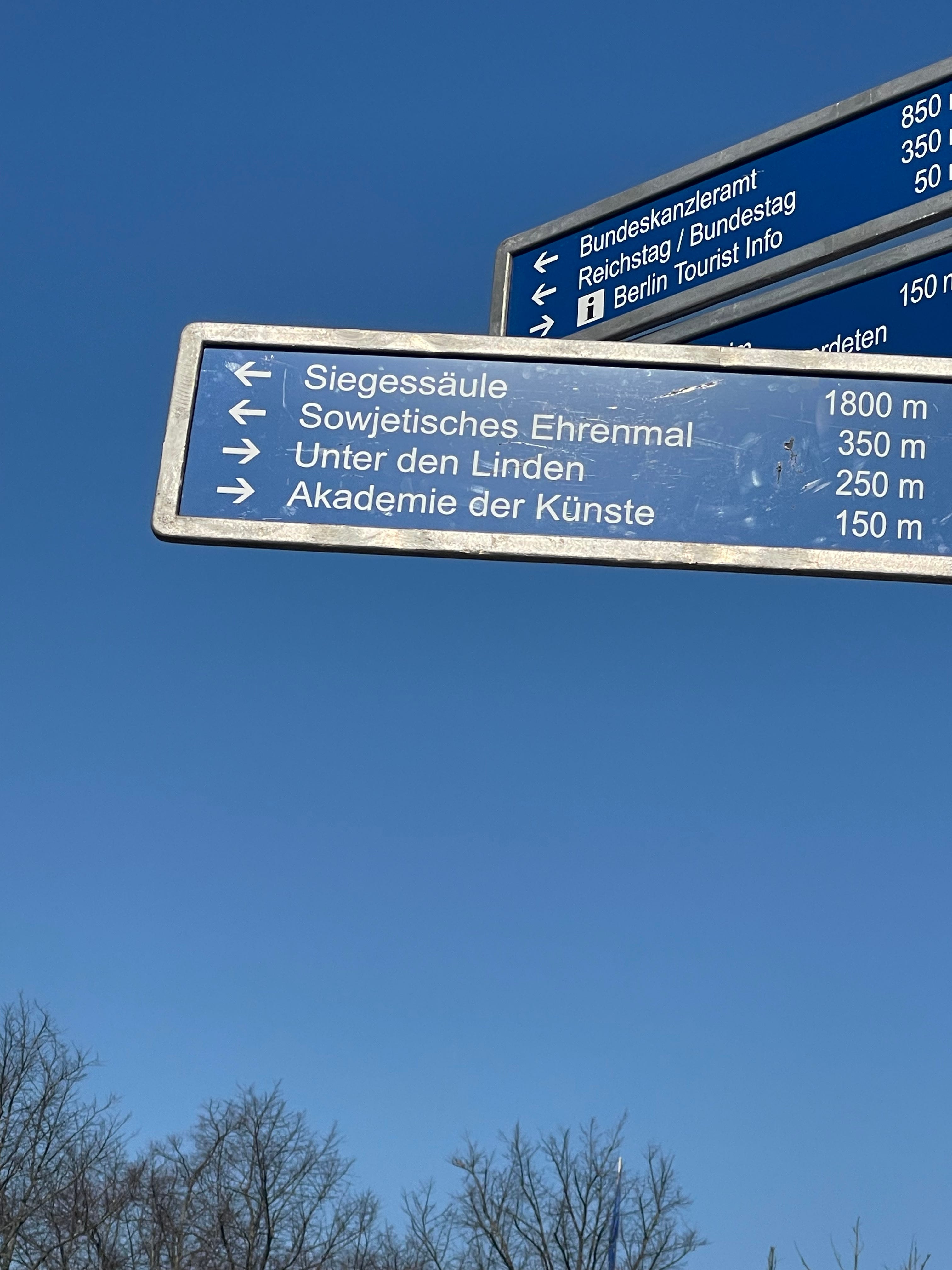
Everything was a puzzle. Signs, announcements, forms. “Vollständig ausgefüllt.” “Bitte beachten Sie.” “Nicht betreten.” I saw these words every day, and they looked like they were laughing at me.
Because not being able to speak makes you feel invisible. Powerless. Like a child trapped in an adult body.
And then came the paperwork. Every form felt like a battlefield — Jobcentre, Schule, and Amts. I would sit for hours with my phone, using Google Translate, not sure if I was filling things in right. Not sure if a mistake would cost me a place in a class or a payment for my children’s food.
But language isn’t just about grammar. It’s about belonging.
I’m still learning. I still forget words. I still get nervous on the phone. But I’ve stopped hiding behind smiles. I speak now — slowly, imperfectly, but bravely.
Because this voice? I fought to keep it. And now, I’m using it — one German word at a time
.